Retail
Retail security cameras in San Diego
Loss happens at a handful of predictable points in a store: the counter, the entrance, the stockroom door and the receiving bay. A retail system earns its place by covering those properly, not by covering everything adequately.
Retail
Loss happens at a handful of points, not everywhere at once
Shrink is a persistent problem in retail and it is not one problem. External theft off the floor, organised groups working several stores in a day, product leaving through a back door, and paperwork and process errors that never involved theft at all are four different things with four different signatures. Treating them as one general condition is what produces a system that covers the whole floor and answers nothing.
Each of those losses happens at a specific point, and there are not many such points: the counter, the entrance, the stockroom door, the receiving bay, and the safe or cash office. A system that covers those six positions properly is worth considerably more than one that covers the entire sales floor at a resolution which shows that something happened without showing who did it.
That is the whole argument for surveying a store rather than quoting a camera count. The count follows from the positions; it does not lead.
There are also places cameras do not go in a store, and privacy boundaries here are not advisory. We will be explicit about where that line falls. If your system supports it, associating till transactions with the footage of them is the single most useful thing you can do about the losses that never look like theft on a report — the refund that was never refunded to anybody, the void at the end of a quiet shift.
That is with us. We will come back to arrange a survey. If it is urgent, call (858) 222-7547.
- CSLB C-7 #976737
- BSIS ACO #7501
- CMMC certified
- SAM.gov registered
- Est. 2008
The problem
Loss is a handful of points, not a general condition
Shrink is a well-known and persistent problem in retail, and it is not one problem. External theft off the floor, organised groups working several stores in a day, product leaving through a receiving door, discounts and voids applied at a register for somebody's benefit, and returns processed against goods that were never bought. These have almost nothing in common except that they all end with stock gone and no money for it.
The one property they share
Six points, not a floor plan
Each of those losses happens at a specific point in the store, and there are not many such points: the counter, the entrance, the stockroom door, the receiving door, the safe or cash office, and whichever displays hold the goods worth taking.
A system that covers those six positions well is worth considerably more than one that covers the whole floor at a resolution which shows that something happened without showing who. That is why we start with a survey and a conversation about where your losses are actually occurring, not a camera count for the square footage.
Where the losses actually occur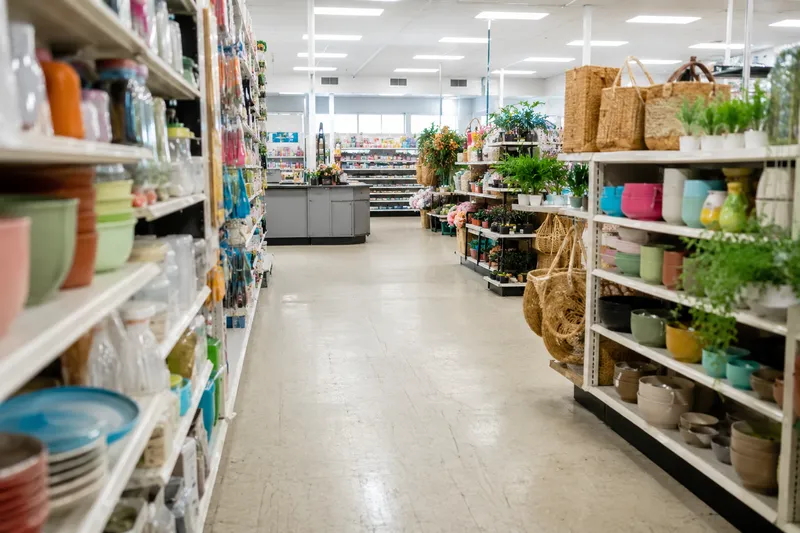
Positions
Six positions that do the work
Each of these has a different job, and the job decides the camera rather than the other way round.
The register
Framed to show the transaction and the person, not a general view of the counter area. This is the position that pairs with transaction review, and the one most often mounted too high and too wide to be useful for anything except confirming somebody stood there.
The entrance
The single point everyone crosses, in a predictable direction, at walking pace, which makes it the most realistic place in the store to get footage good enough to identify somebody. Worth specifying properly even where the rest of the floor is covered more loosely.
The stockroom door
The boundary between the floor and everything held behind it. Coverage of the door itself, not the room, shows what crossed it and who was carrying it.
Receiving and the back door
The clearest path from stockroom to street, and the most under-covered position in most stores. Needs a view from both sides and, ideally, an alert when the door is held open during a delivery.
High-value displays
Whatever in your store is worth the risk of taking. These positions need enough detail to show a person's face, which usually means a camera specified for that spot.
Fitting room approaches, never interiors
The entrance to the fitting room area is covered: what somebody carried in against what they carried out. The interior of a fitting room, a restroom or a staff changing area is never covered, on any site, for any reason. We will decline that request if it is made.
The privacy line
Where cameras do not go
It is worth stating this plainly, because it occasionally comes up as a request and the answer is always the same.
Cameras cover fitting room entrances and approaches. They do not go inside fitting rooms, restrooms or staff changing areas.
That is not a setting, a per-site judgement or something we will design around if pressed. It is a boundary we hold, and if a system is specified to us that crosses it, we will say no and explain why instead of quietly leaving the camera out.
The practical point is that the entrance view is the one that produces evidence anyway. What a person carried in, against what they carried out, is the comparison that matters; the interior adds nothing to it and creates an exposure for the retailer that no loss-prevention benefit justifies.
The same side of that line
Audio raises obligations that video alone does not
California is an all-party consent state, and recording conversations raises obligations that video alone does not.
So we design camera systems without audio capture, unless you have taken your own advice and asked for it deliberately.
Ask what we will and will not install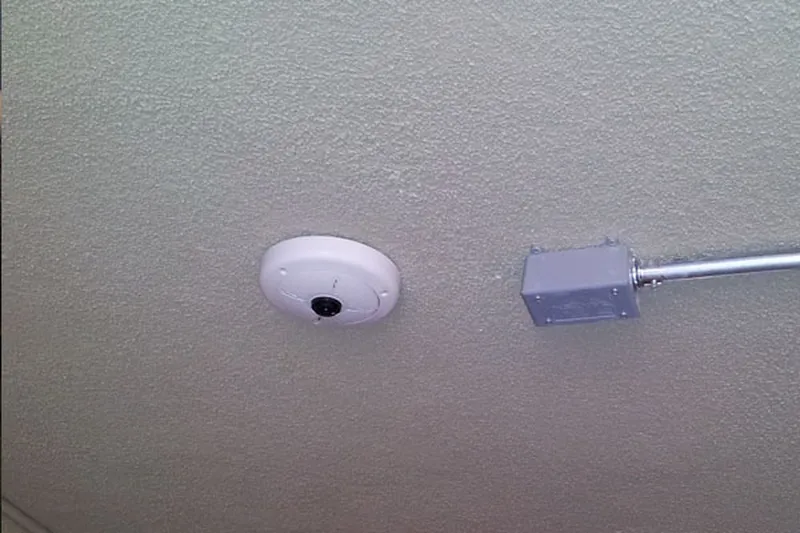
Transaction review
Video and the till, if your system supports it
The most useful thing a retail camera system can do beyond recording is let a manager review by exception. The concept: transaction data displayed alongside or overlaid on the video, so that searching for voids, no-sales, refunds, manual discounts or returns brings up what physically happened at the counter at that moment.
Whether that is achievable at your store depends entirely on your point-of-sale system and what it exposes. Some expose transaction data in a form a video platform can consume; some do not; some do only through a particular version or module. We check that at survey and tell you plainly whether your system supports it. We do not promise an integration before seeing what you run, and we do not name a POS product as supported on the strength of a datasheet.
Where the integration is not available
Your report gives the timestamp, the footage gives the event
Exception review still works with a well-framed register camera and accurate time synchronisation. Less elegant, entirely workable.
It depends on the system clock being right, which is a commissioning detail people skip and then discover months later when two records will not line up.
Detection that narrows what you review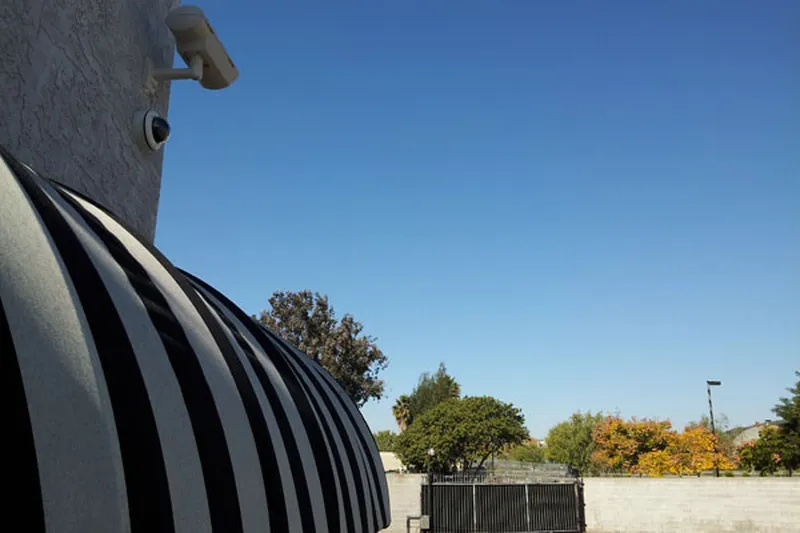
Closed hours and back of house
The rest of the system
- Camera design and installation. Positions specified against what each has to achieve, with the lens, mounting and low-light handling to match. That is commercial security camera installation.
- Stockroom, back of house and deliveries. Credentials on the stockroom, receiving door, cash office and any office holding customer or personnel information, with a record of who opened what and when. That is commercial access control.
- Intrusion and robbery response. Monitored intrusion detection verified against the cameras, plus duress or hold-up provision where staff open up or close alone. That is commercial alarm monitoring.
- Somebody watching after close. For stores exposed to smash-and-grab, an operator watching during closed hours with the ability to speak into the space, which interrupts an incident rather than recording it. That is remote video monitoring.
- Cabling in leased space. Routes, penetrations, ceiling access and make-good at lease end all need landlord agreement, and older units carry cabling of unknown provenance. That is structured cabling.
- Keeping it working. Lenses collect dust, cameras get knocked by stock handling, drives fail quietly and retention drifts below what a claim arriving weeks later needs. That is CCTV maintenance and repair.
For multi-store operators, the same work produces one standard across the estate (one platform, consistent naming and retention, per-store permissions) so a request for any store is answered the same way instead of depending on who installed that unit. If it is easier to start from the service than the vertical, the full list is on all commercial services, and the other verticals are on all industries.
Common questions
Retail security questions
No, and we will decline the request if it is made. Cameras cover the entrance to a fitting room area and the approach to it (who went in, what they were carrying, who came out and what they were carrying) and never the interior of a fitting room, a restroom or a staff changing area. That boundary is not a configuration option or something to be negotiated per site; it is a line we do not cross. In practice the entrance view is also the useful one: what a person carried in against what they carried out is the evidence that matters, and the interior view adds nothing to it.
RelatedRetail shrink
That depends on your point-of-sale system, not the cameras. The concept is straightforward: transaction data displayed alongside or overlaid on the video, so a manager can review by exception, searching for voided sales, no-sales, refunds or discounts and seeing what physically happened at the counter at that moment. Whether it can be done at your store turns on what your POS exposes and how. We check that at survey and tell you plainly whether your system supports it. Promising an integration before we have seen what you run.
RelatedRetail shrink
Shrink is a well-known and persistent retail problem, and we will not put a percentage on it or claim a reduction figure we cannot evidence for your store. What we can say is where cameras contribute: coverage that makes the transitions visible. The counter, the entrance, the stockroom door, the receiving door and the high-value displays are where product changes hands or changes status. A system that covers those well, with footage good enough to identify a person and a transaction record to review against, is doing the part a camera system can do. The rest is process.
RelatedRetail shrink
By covering the places where value moves, not the places where people work. The register, the stockroom door, receiving and the safe or cash office are the positions that matter; blanket coverage of staff areas produces resentment and very little evidence. It also helps that the review is exception-based, not continuous: a manager looking at a list of voids and refunds is not watching their staff all day, and everyone knowing that is the case is a healthier arrangement than the alternative.
RelatedRetail shrink
Frequently, and it cuts both ways: footage is as capable of clearing your store as implicating it, which is exactly why coverage of the trading floor and entrance areas is worth having. What makes it usable is not just having a camera, but retention long enough to still hold the footage when a claim arrives, which is often weeks later, and a system time that is accurate so the footage lines up with whatever the claim says happened. Both are design decisions taken at install, not discovered afterwards.
RelatedRetail shrink
The receiving door is the most under-covered position in most stores and the one with the clearest path from stockroom to street. It needs both coverage and control: a camera on the door from inside and out, and a credential on the door for staff and scheduled deliveries so there is a record of who opened it and when. Doors propped open during a delivery are a routine and largely unremarked source of loss, and an alert on a door held open is a cheap thing to add.
RelatedRetail shrink
Yes, and for stores exposed to smash-and-grab it is usually the highest-value part of the system. A recorder documents a break-in; it does not interrupt one. Where a store needs the event stopped, not just recorded, an operator watching during closed hours with the ability to speak into the space will end most incidents at the point somebody realises they have been seen by a person, not a camera. That is monitored live coverage, and it is a different service from recording.
RelatedRetail shrink
That is usually the reason for bringing in one contractor. Multi-store operators tend to accumulate a different system per location, so pulling footage depends on which store it came from and who installed it. The test is the request. An area manager asking for Tuesday afternoon at store eleven should not need to know who fitted store eleven, what the cameras there are called, or how long that particular recorder keeps footage. Getting to that point takes one platform, one naming convention, one retention figure and permissions cut per store.
RelatedRetail shrink
It changes what has to be agreed, not what is possible. Landlords generally have views about cable routes, penetrations, ceiling access, anything mounted on the exterior and what has to be made good at the end of the lease. We survey against those constraints and tell you what needs landlord consent before the work is scheduled, not after somebody objects. Older units also tend to have existing cabling of unknown provenance, which is assessed, not assumed.
RelatedRetail shrink
San Diego CCTV Pros holds CSLB #976737: a C-7 low voltage contractor's licence covering camera, cabling and intercom installation, and a BSIS Alarm Company Operator licence (ACO #7501) covering monitored CCTV, alarm and access-control work. Check both with the agency that issued them. Fire alarm falls outside them entirely: that work needs a C-10 or a C-16, we hold neither, and it stays with your own licensed fire alarm contractor. On audio: California is an all-party consent state, and recording conversations raises obligations that video alone does not. We design camera systems without audio capture unless you have taken your own advice and asked for it deliberately.
RelatedRetail shrink